


In racing, precision starts at your feet.
Your connection to the pedals determines how consistently you brake, how cleanly you roll onto throttle, and how long you can stay sharp during a session. At the same time, race weekends demand more than just driving. You stand, travel, load gear, walk paddocks, and work in pit lanes for hours at a time.
Footwear is not just about comfort. It affects:
- Pedal sensitivity
- Stability under load
- Fatigue over long stints
- Grip on concrete, asphalt, and wet surfaces
- Safety compliance in competitive environments
The difference between a generic shoe and a motorsport-specific shoe is not aesthetic. It’s functional.
Here’s why.
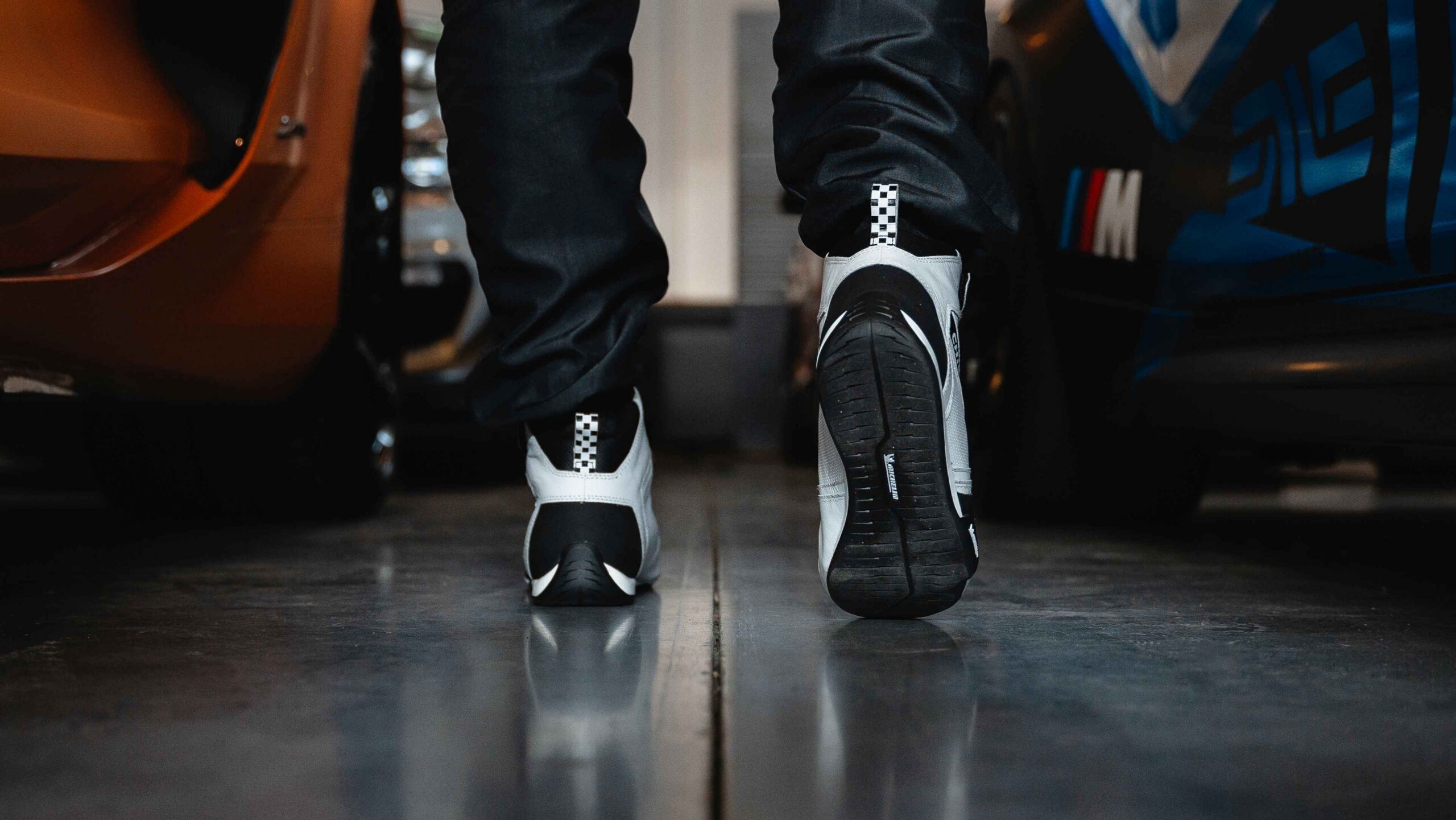
Why Motorsport-Specific Features Matter
Michelin® Rubber Soles
Pedal feel is not just about thinness. It is about grip and consistency.
Michelin® Pilot Sport tread patterns are designed using real race tire technology. That matters because:
- The rubber compound is built for traction on smooth surfaces
- The tread is engineered for wet and slick environments
- The soles are non-marking, anti-static, fuel and oil-resistant
In practical terms, this means:
- Better pedal grip in wet paddocks
- Stability on concrete and asphalt
- Resistance to fuel spills and shop environments
- Consistent feel session after session
You are not just stepping on a pedal. You are transferring force precisely. The sole matters.
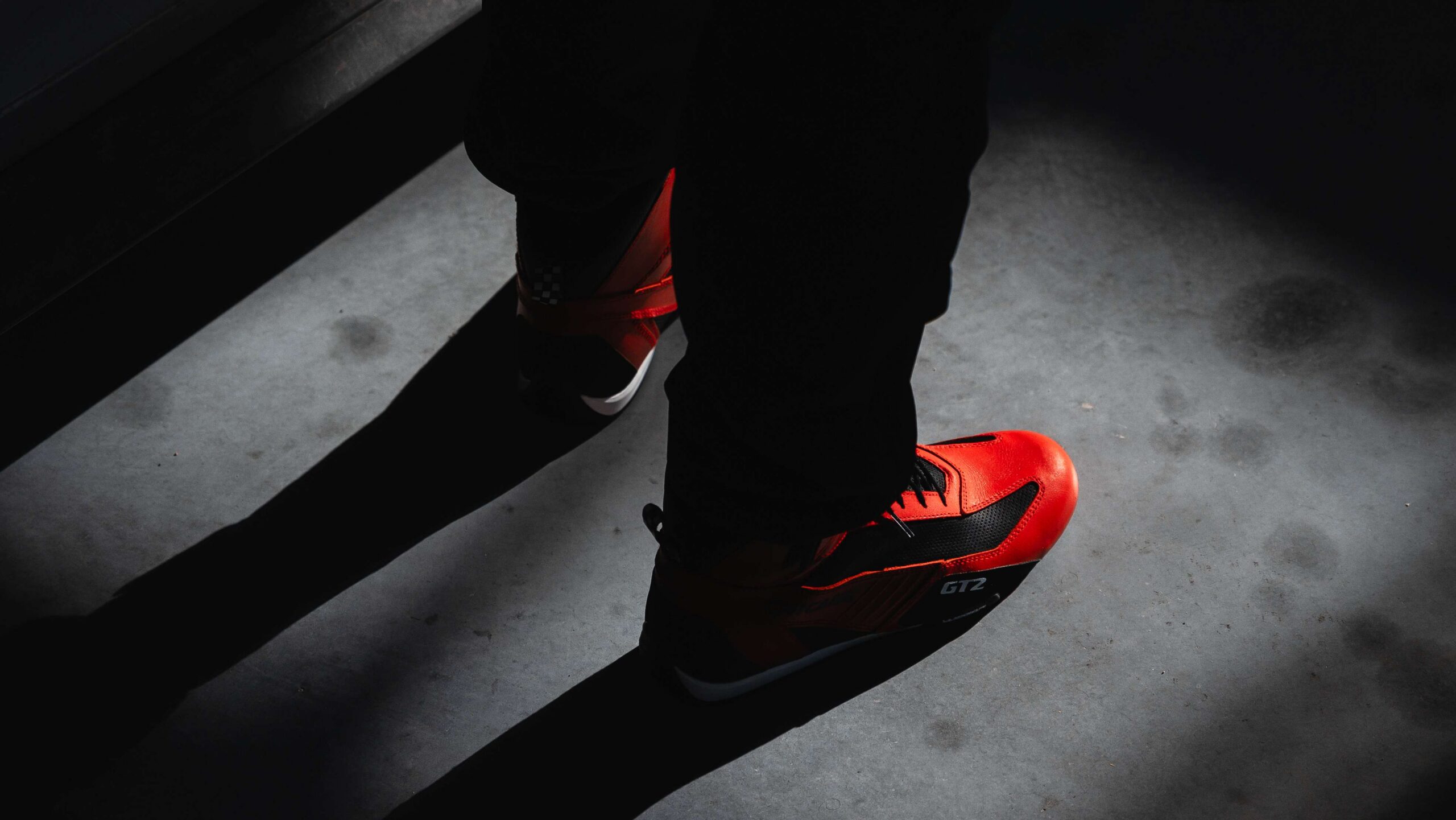
Kangaroo Leather vs Cowhide Suede
Material choice directly impacts weight, flexibility, and durability.
Kangaroo leather (GT1)
- Extremely lightweight
- High tensile strength
- Forms closely to the foot
- Allows thinner construction without sacrificing durability
This is ideal for drivers chasing maximum sensitivity and minimal weight.
Cowhide suede (GT2, GT3, Speedster, Sebring)
- Durable and abrasion-resistant
- Slightly more structured
- Conforms over time
- Better for repeated wear and entry-level to club racing
Both serve a purpose. It depends on how serious and how frequent your driving is.
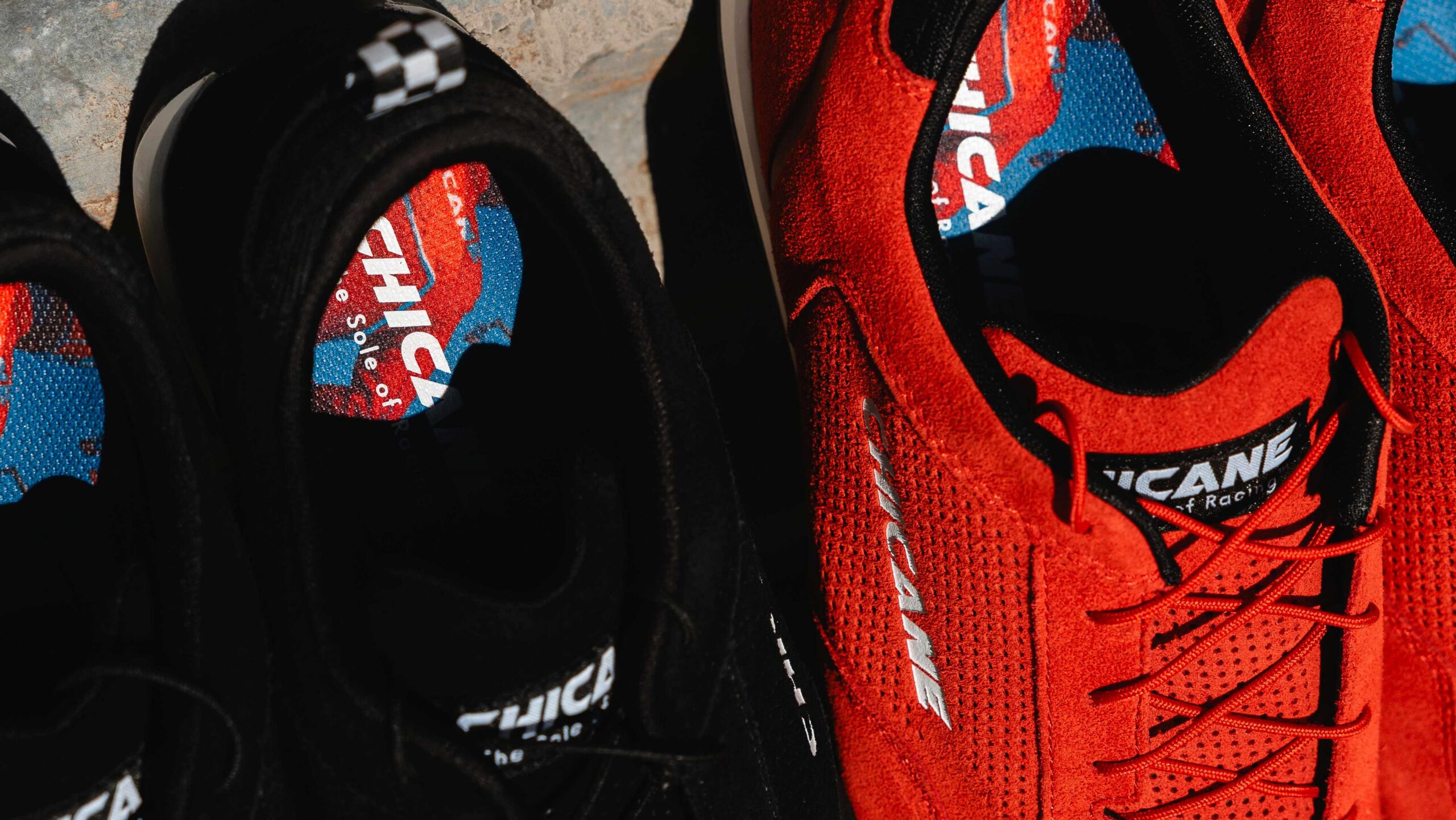
Polyurethane (PU) Midsoles vs Typical EVA
Many casual athletic shoes use EVA foam. It compresses quickly over time.
Polyurethane midsoles:
- Maintain structure longer
- Offer better long-term cushioning
- Provide consistent support under mid-foot and heel
- Resist breakdown over full race weekends
If you are standing 10–12 hours at the track, that difference becomes obvious.
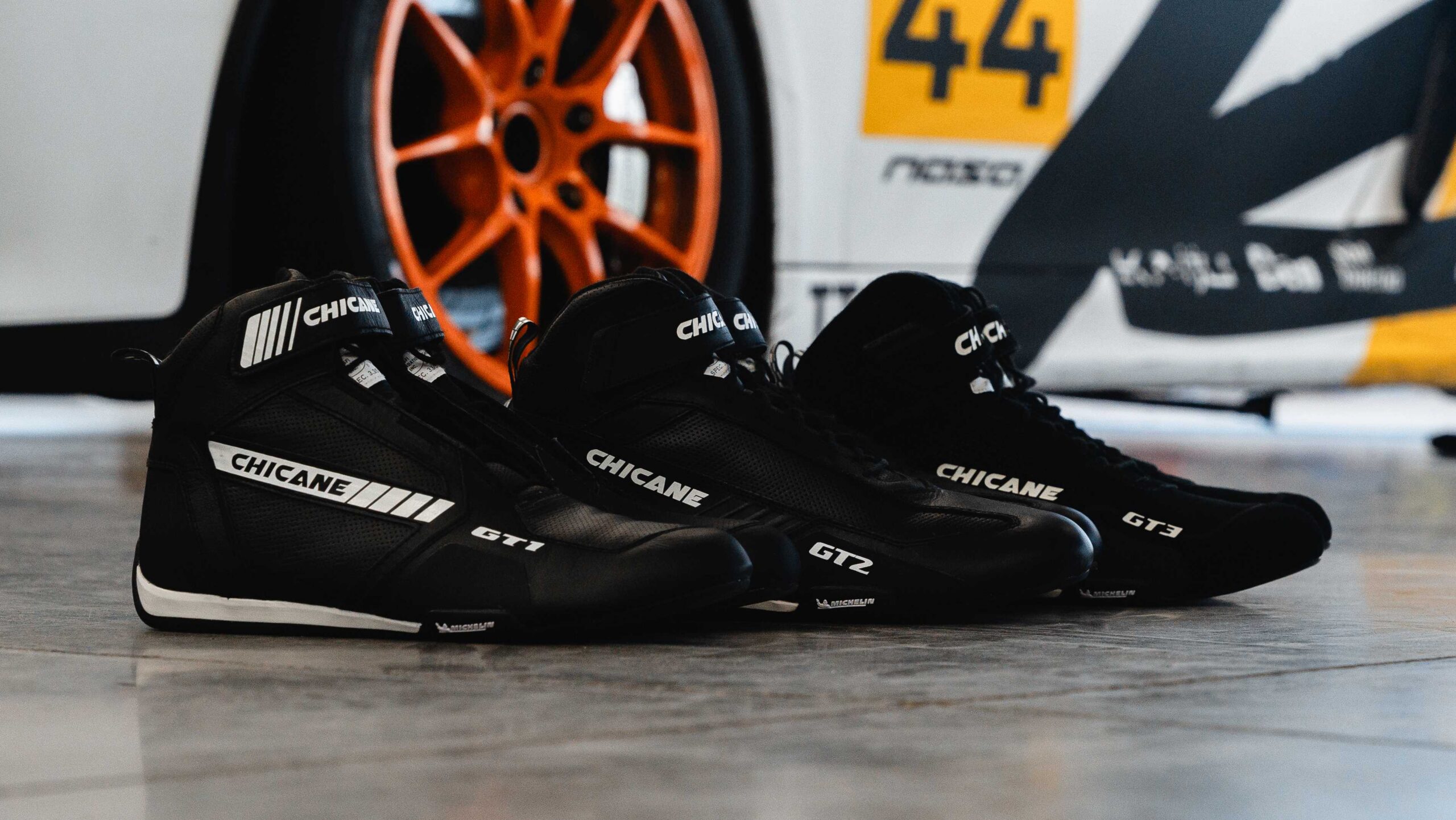
SFI Certification and Fire Retardant Linings
In competitive racing environments, compliance matters.
SFI 3.5/5 certification means:
- The shoe meets established fire protection standards
- Materials are tested for flame resistance
- Linings provide additional thermal protection
If you compete wheel-to-wheel, this is not optional.
If you are doing HPDE or sim, you may not need full certification, which is where options like the Speedster make sense.
Padded Collars and Ankle Articulation
Tight pedal boxes require flexibility.
Soft padded collars:
- Prevent rubbing and hot spots
- Allow smooth ankle articulation
- Reduce fatigue during long stints
It’s a small detail, but after 30–45 minutes in the car, you notice it.
Breaking Down the Lineup
Here’s how each model fits into that framework.
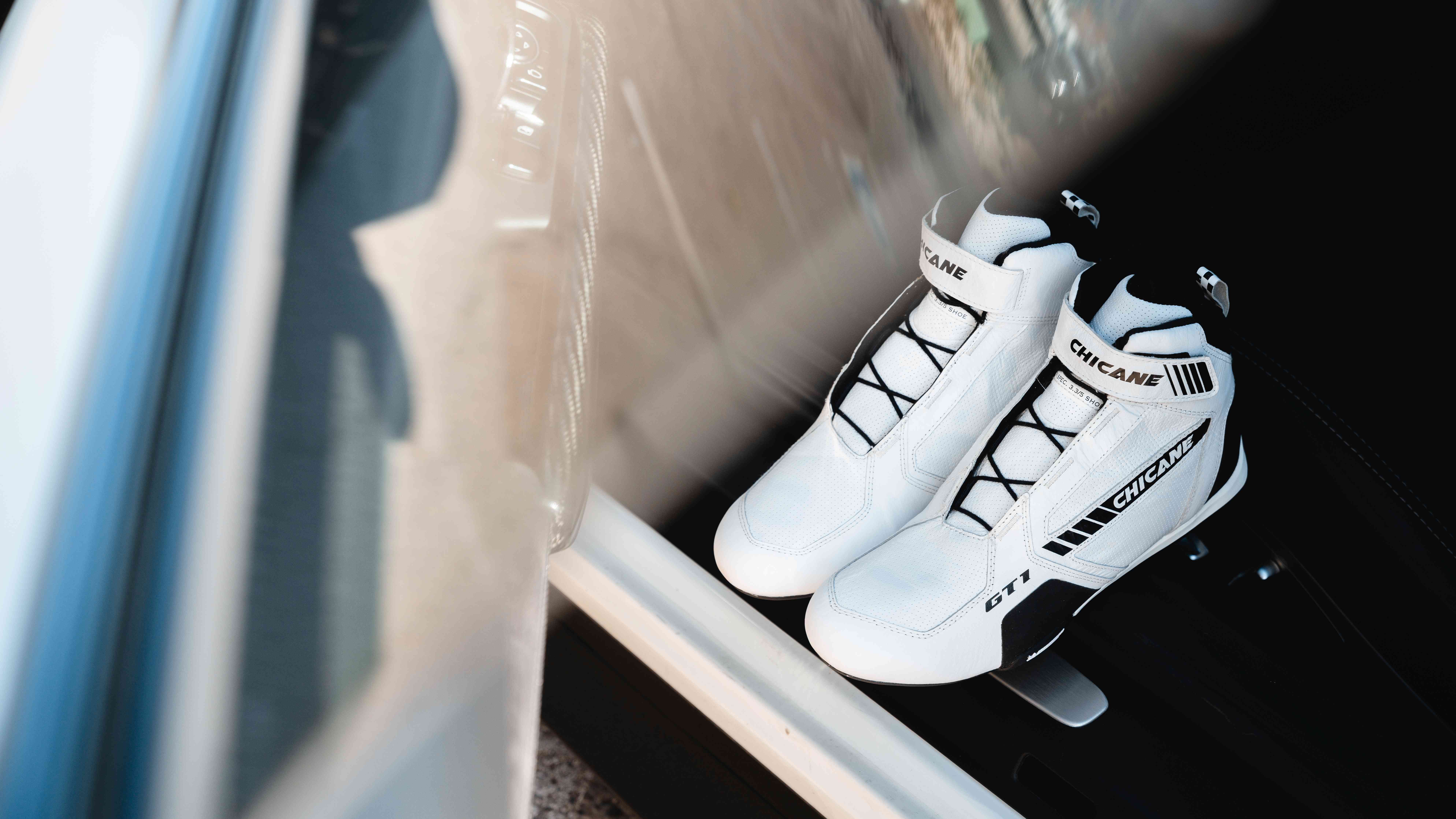
GT1 — $369
For serious racers demanding peak performance
Lightweight kangaroo leather, Michelin® performance soles, SFI 3.5/5 certification, fire-retardant linings, abrasion reinforcement, and maximum pedal sensitivity.
This is built for competitive environments where weight reduction, breathability, and responsiveness matter most.
Best for:
- Advanced drivers
- Competitive racing
- Drivers prioritizing maximum feel
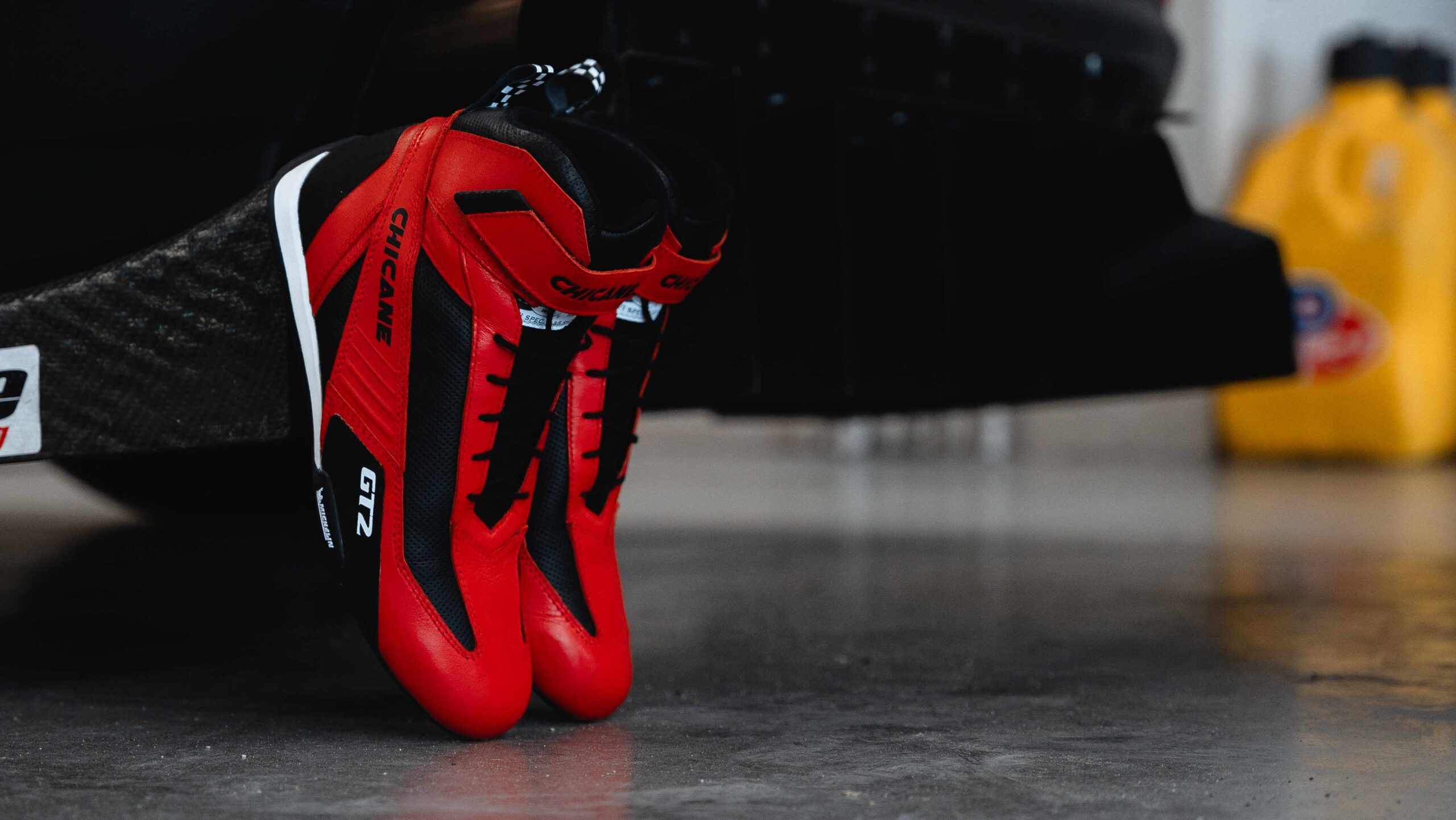
GT2 — $289
For club racers and time trial drivers
Durable top-grain cowhide leather with SFI certification and Michelin® tread. Built for drivers who race consistently and need durability alongside performance.
Best for:
- Club racing
- Time trials
- Drivers balancing performance and longevity
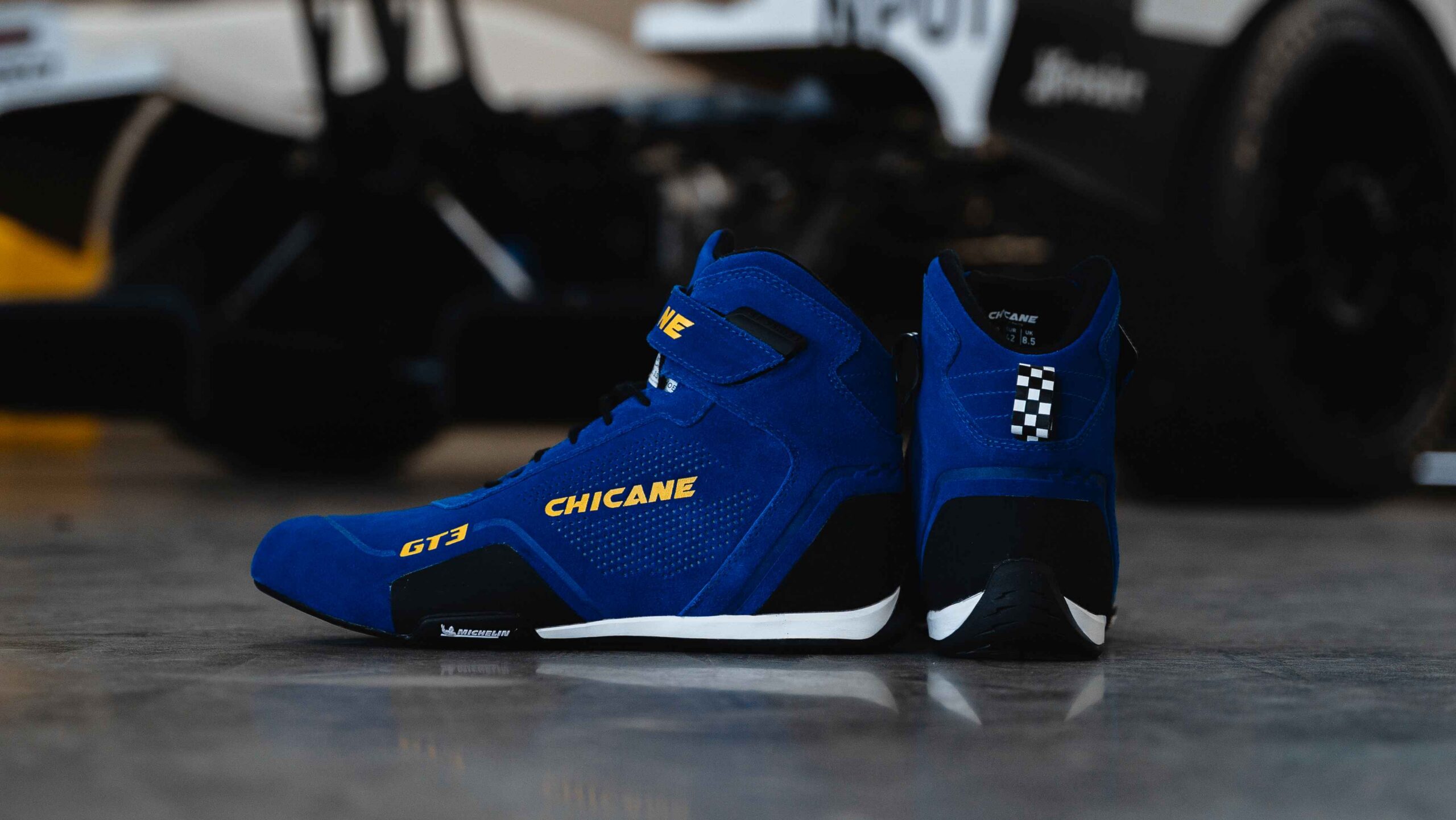
GT3 — $249
Accessible race-ready protection
Available in Men’s and Women’s
Shares core construction with GT1 and GT2, including Michelin® soles and SFI certification, but at a more approachable level.
Best for:
- Entry-level racing
- Drivers stepping into competition
- Building a compliant race kit
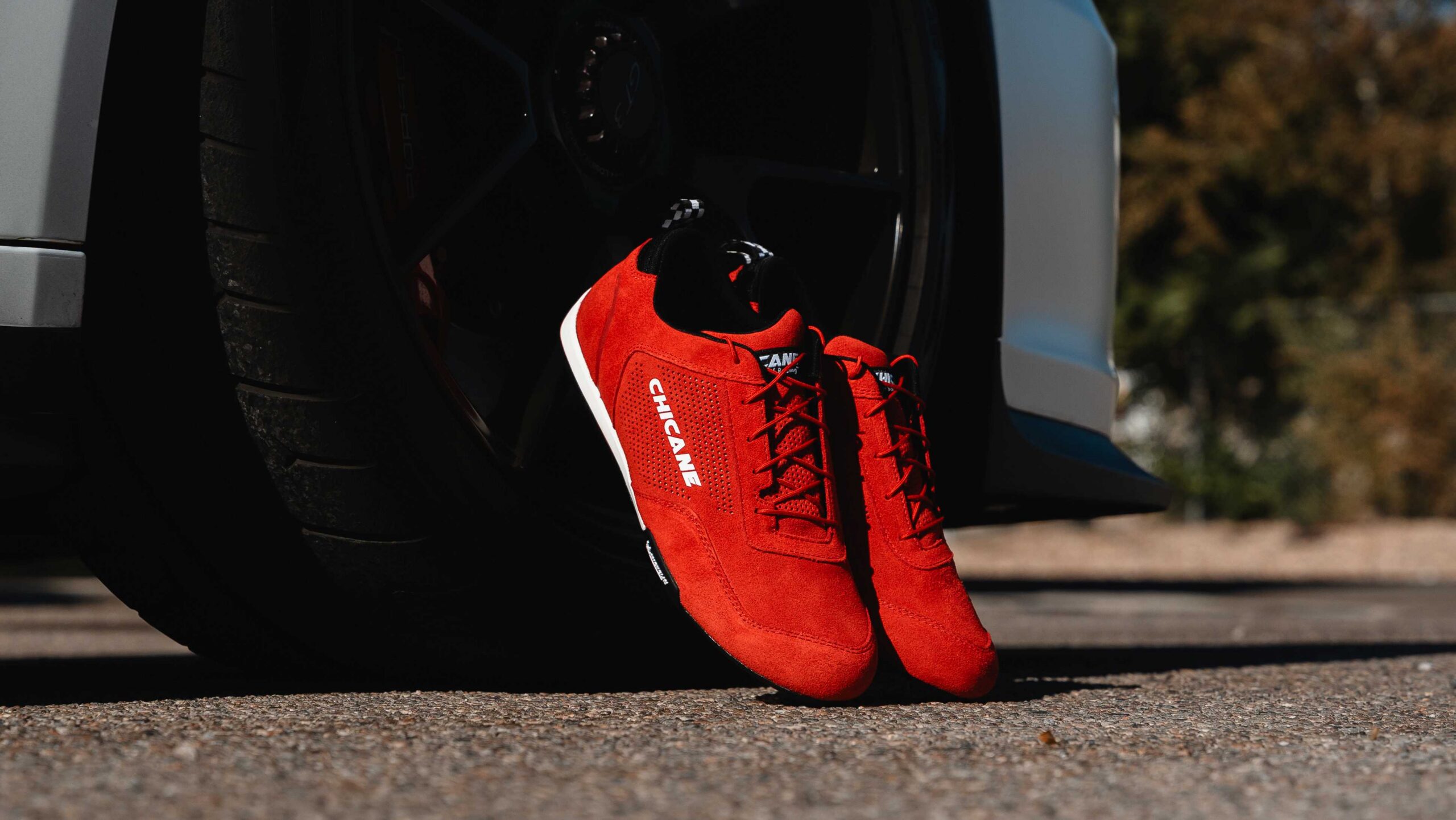
Speedster — $160
Low-cut performance for track days
Available in Men’s and Women’s
A low-cut version of the GT3 without fire-retardant lining. Built for HPDE and performance driving when flexibility and versatility matter more than certification.
Size tip: Order a half size up for a more relaxed fit.
Best for:
- Track days
- Sim racers
- Performance driving
Sebring — $160
All-day versatility beyond the cockpit
Available in Men’s and Women’s
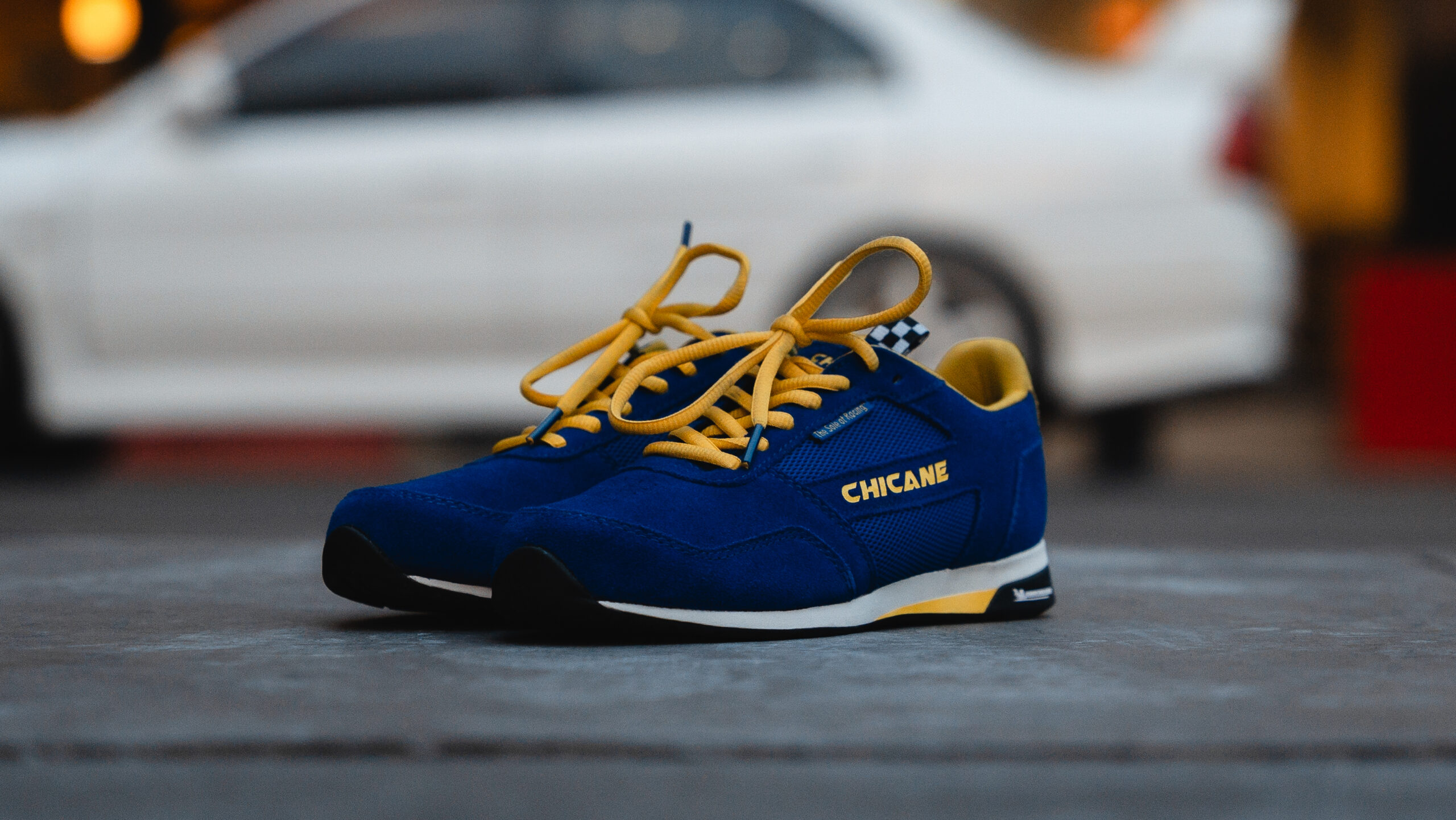
Inspired by endurance racing, built for long days on your feet. Michelin® rain-tire-inspired tread, breathable suede and mesh uppers, premium insoles designed for extended wear.
Best for:
- Travel
- Paddock time
- Crew
- Enthusiasts
TS-X — $249
Built for professional pit crews
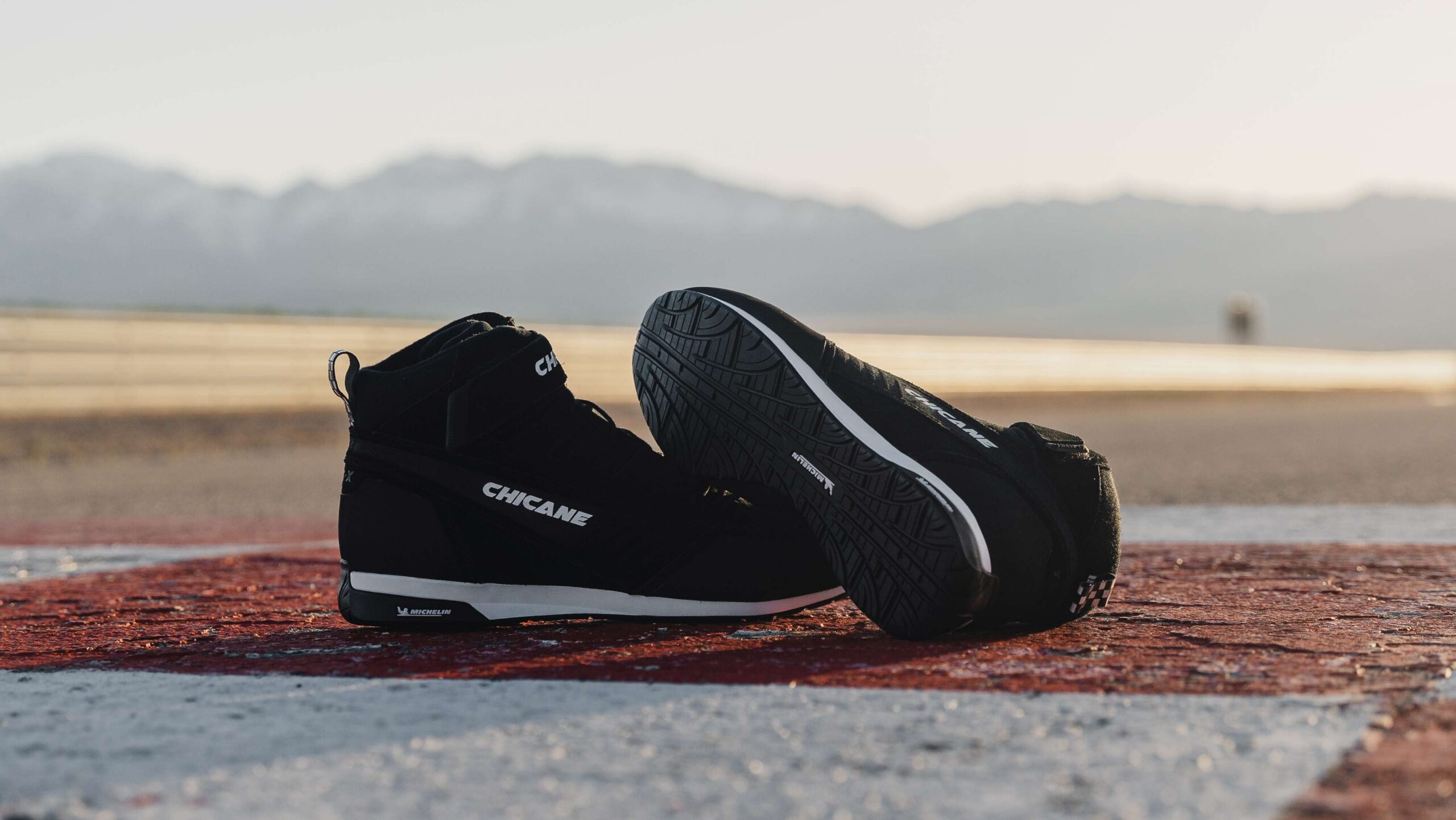
SFI 3.5/5 certified, Michelin® wet-race tread soles, water-resistant leather uppers, reinforced abrasion zones, ergonomic insoles, and wide-width availability.
Engineered for grip, durability, and all-day support in demanding environments.
Best for:
- Pit crews
- Mechanics
- Engineers
- High-intensity trackside work
The Bottom Line
Motorsport footwear is not interchangeable with lifestyle sneakers.
The sole affects pedal precision.
The material affects weight and durability.
The lining affects safety.
The midsole affects fatigue.
Choosing the right pair is about understanding how you operate in motorsport.
Performance does not begin when the engine starts.
It begins at ground level.