


For decades, women were told they didn’t have the strength, the endurance, or the skill to compete at the highest levels of racing. Many were denied opportunities, funding, or even the chance to start a race.
But that didn’t stop them.
Across rally stages, oval tracks, endurance races, and road courses, women kept showing up. They raced anyway. They won races, broke records, and helped reshape what the grid looks like today.
This Women’s History Month, we’re celebrating some of the drivers who pushed motorsport forward.
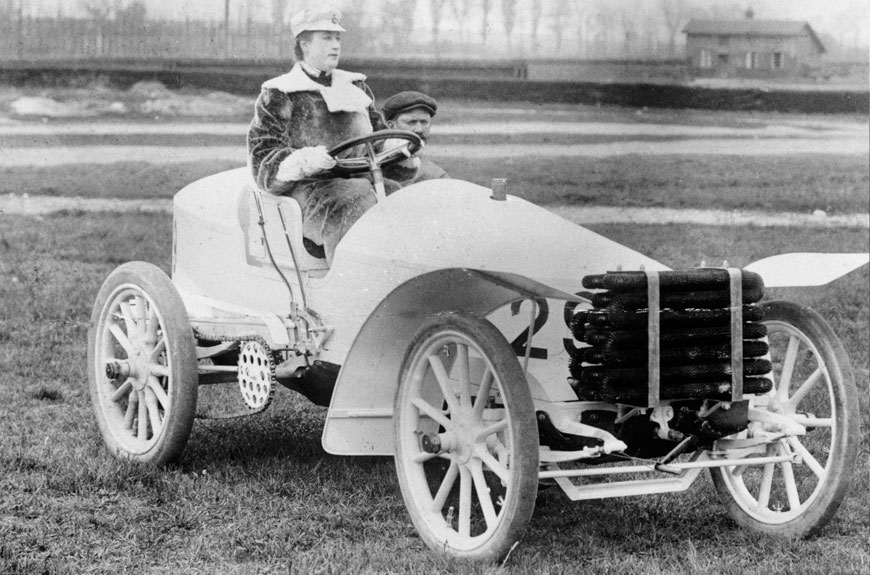
The Earliest Drivers
Women have been part of racing since the earliest days of the automobile. Long before organized championships and professional racing series existed, drivers were already testing the limits of both machine and courage.
One of the earliest examples came in 1901, when French racer Camille du Gast entered the brutal Paris–Berlin race. At the time, automobile racing was still a dangerous experiment more than an organized sport. Drivers raced across open roads for hundreds of miles in primitive machines with little reliability and even less safety.
Du Gast started dead last among 122 competitors in a 20-horsepower Panhard. By the end of the event she had climbed to 33rd place, passing 89 drivers along the way. Reports say she was disappointed with the result.
Even then, racers were racers.
Just a few years later, British driver Dorothy Levitt would push the limits of speed. At the 1905 Brighton Speed Trials, Levitt drove an 80-horsepower Napier to nearly 80 miles per hour, earning the title of the fastest woman in the world. The following year she raised that mark again to 91 mph, an extraordinary speed for the early era of automobiles.
Levitt is also believed to have pioneered something drivers still rely on today. She carried a small handheld mirror so she could see the cars behind her while racing — an early version of what would eventually become the rear-view mirror.
As the sport continued to grow through the early twentieth century, more women found ways onto the grid. Drivers like Eliška Junková of Czechoslovakia built reputations through preparation and skill, famously studying circuits on foot before races to understand the terrain and racing lines. In 1927, driving a Bugatti, she captured the two-liter class victory at the inaugural race at the Nürburgring, a circuit that would later become one of the most iconic tracks in motorsport.
Still, the barriers were enormous. Sponsorship was scarce. Opportunities were limited. In many cases, women were simply told they did not belong in racing at all.
Still, the next generations kept showing up.
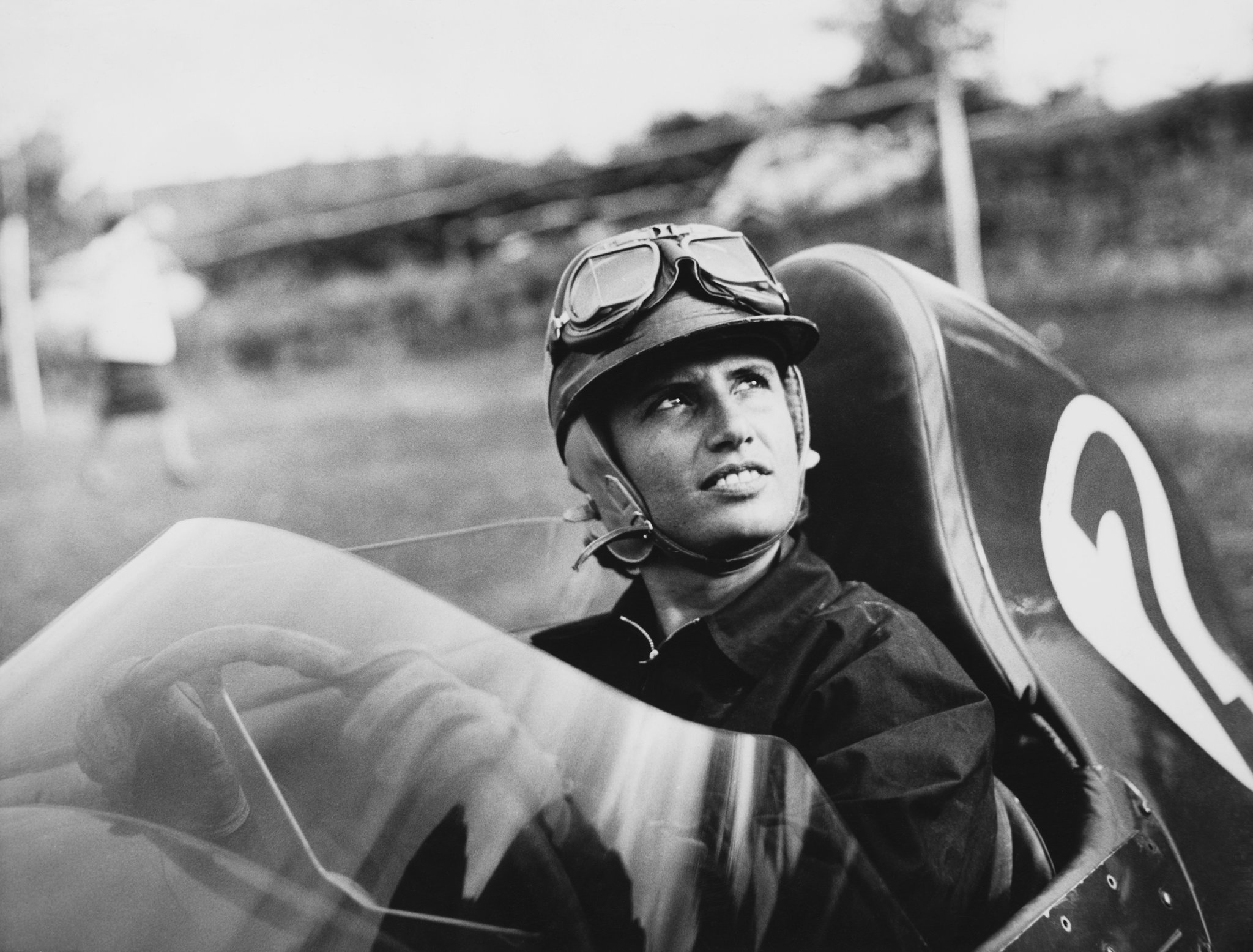
Breaking Through the Highest Levels of Racing
As motorsport evolved into organized championships and global racing series, women continued pushing their way onto the grid. By the 1950s and 60s, a new generation of drivers began competing at the highest levels of the sport, proving that the barriers that once kept them out weren’t built on ability.
Italian driver Maria Teresa de Filippis became the first woman to compete in Formula One, racing for Maserati in the late 1950s. She entered five championship races and recorded her best finish at the 1958 Belgian Grand Prix at Spa-Francorchamps, one of the most challenging circuits in the world.
Two decades later, another historic moment arrived in American motorsport.
In 1977, Janet Guthrie became the first woman to qualify and compete in both the Indianapolis 500 and the Daytona 500. She was also the first woman to lead a lap in the NASCAR Cup Series. Despite her success, Guthrie struggled to secure the same sponsorship opportunities available to many of her competitors, ultimately forcing her into an early retirement.
Other pioneers pushed the sport forward in different ways.
Driver and journalist Denise McCluggage fought for equality in both motorsport and automotive journalism. Wearing her iconic polka-dot helmet, she won her class at the 12 Hours of Sebring in 1961 driving a Ferrari 250 GT SWB and later helped launch Autoweek, becoming one of the most respected voices in automotive media.
Meanwhile in rally racing, Michèle Mouton proved that women could compete at the absolute pinnacle of the sport. Driving for Audi in the World Rally Championship, she won four WRC events and finished second in the 1982 championship, narrowly missing the title during one of the most competitive eras of rallying.
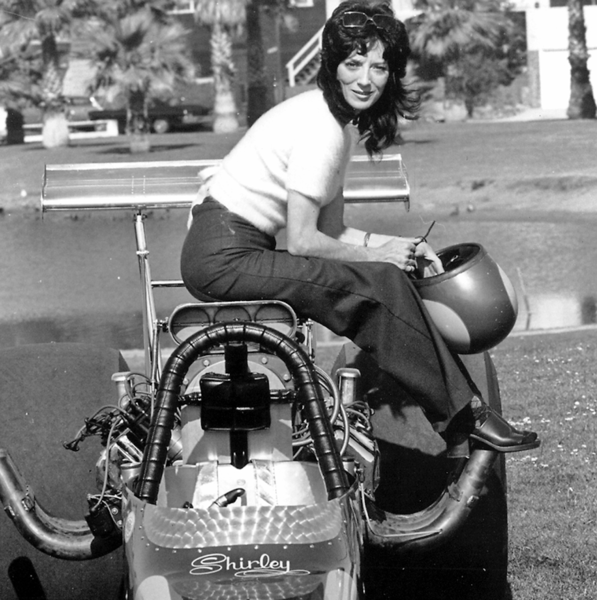
The Modern Motorsport Landscape
Drivers continued to reshape the sport in the decades that followed.
In drag racing, Shirley Muldowney became the first woman to earn an NHRA license to drive a Top Fuel dragster and went on to win three Top Fuel championships, becoming the first driver in history to win two and three titles in the category.
In endurance racing, Lyn St. James built an extraordinary career, winning major events including the 24 Hours of Daytona and later becoming the first woman to earn Indianapolis 500 Rookie of the Year honors in 1992.
In the modern era, Danica Patrick became the first woman to win an IndyCar race when she captured victory at the 2008 Indy Japan 300. She later made history again by winning the pole position for the 2013 Daytona 500, bringing unprecedented visibility to women competing in top-level motorsport.
Today, women compete across nearly every major discipline in racing. Drivers like Jamie Chadwick, a multi-time champion who has continued her career in open-wheel racing, represent a new generation working their way through professional racing ladders. Simona de Silvestro has competed across IndyCar, Formula E, and Australia’s Supercars Championship, while Christina Nielsen became the first woman to win a major professional sports car championship in North America when she captured back-to-back IMSA GTD titles with Ferrari.
Beyond the cockpit, women are shaping the technical side of the sport as well. Engineers like Leena Gade helped lead Audi to multiple overall victories at the 24 Hours of Le Mans, one of the most demanding races in the world.
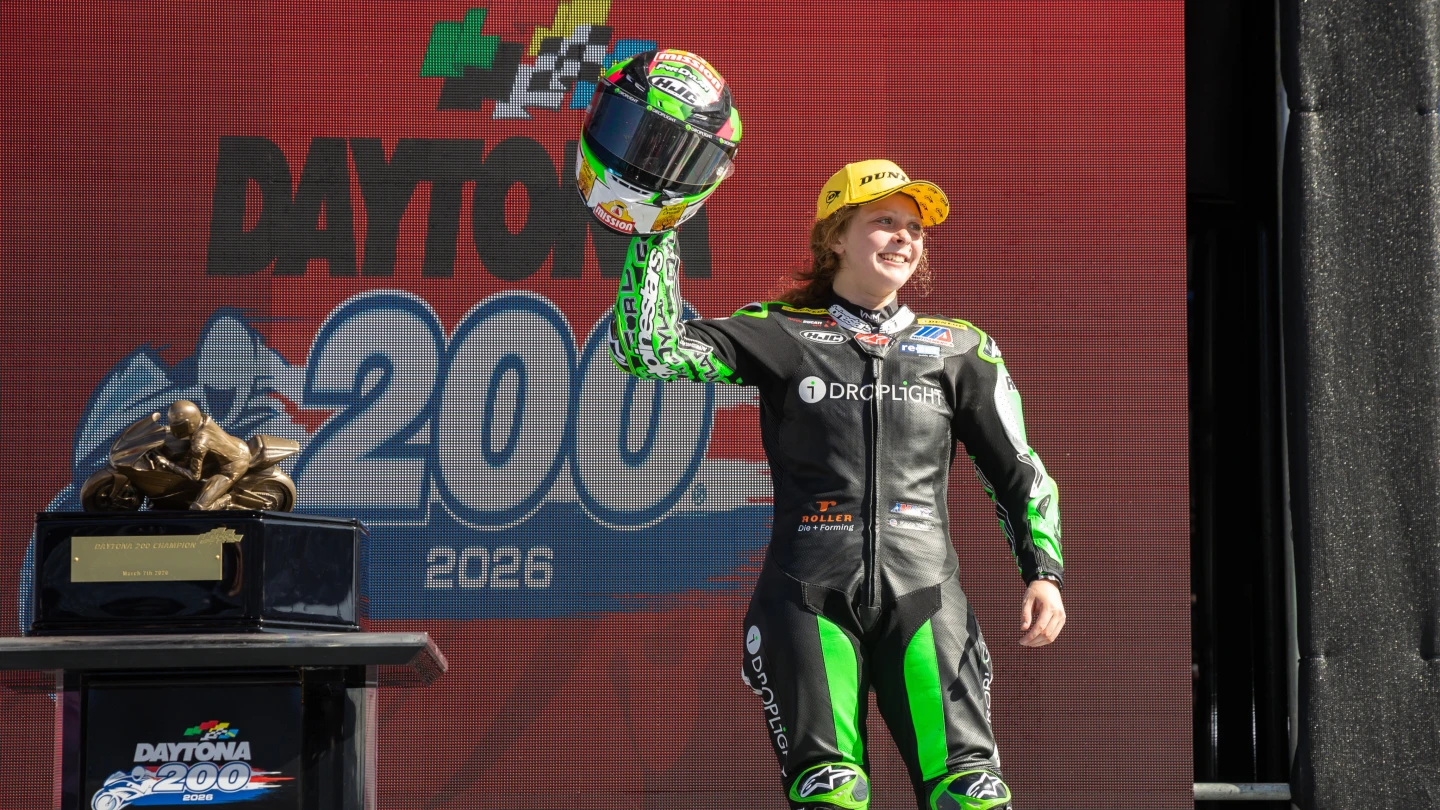
Right Now
The story isn’t just history. It’s still being written.
Earlier this month, during Women’s History Month, Kayla Yaakov became the first woman in history to stand on the podium at the Daytona 200 — one of the most prestigious races in motorcycle road racing.
She didn’t get there easily. After qualifying off the pace due to mechanical issues, Yaakov fought her way through the field, trading positions in the closing laps before making a final pass to secure third place by just 0.166 seconds.
The Daytona 200 has been run for nearly a century. For decades, no woman had stood on that podium. That changed on the final lap.
The Next Lap
Motorsport grows when the community around it grows. The sport has always thrived on competition, innovation, and the constant pursuit of improvement, whether that means refining a racing line, engineering a faster car, or pushing a little harder on the final lap. The more people who are able to participate in that pursuit, the stronger the sport becomes.
Today, more drivers are entering the sport through karting programs, sim racing, grassroots racing, and professional development series. As the grid expands, so does the future of the sport. More perspectives, more talent, and more competitors ultimately lead to better racing for everyone involved.
This Women’s History Month, it’s worth remembering the drivers who pushed their way onto the grid, the racers competing today, and the next generation preparing to follow them.
Because at the end of the day, racing has never been about who you are.
It’s about the lap you put down when it counts.